Privacy laws vary by state and city. Some allow video surveillance without consent on your own property, while others have stricter limitations, so confirm what's permitted before installing anything.
The Legal Dos and Don'ts of DIY Home Security Systems
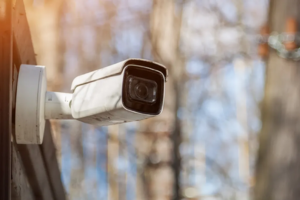
DIY home security kits give homeowners more control over safety and privacy, but with that freedom comes responsibility. Ignoring the legal guidelines around cameras and recording could lead to fines, lawsuits, or disputes with neighbors.
Do Know Your Local Laws
Do Keep Cameras on Your Property
Angle cameras toward your own entrances, walkways, and fence line rather than a neighbor's windows or driveway to stay compliant and respectful.
Do Post Notification Signs When Recording
Small signs near entryways aren't always required but can protect you from disputes, especially in states with two-party consent laws for audio.
Do Understand Audio Recording Rules
Audio is treated more strictly than video in many places; recording a conversation without consent can be illegal even in your own home, so disable microphones unless you've verified it's allowed.
Do Protect Collected Data
Use strong passwords, enable two-factor authentication, and update firmware regularly, since a hacked system could create liability under your state's data protection laws.
Don't Point Cameras at Public Areas Unnecessarily
Constant recording of sidewalks, streets, or parks can raise privacy issues. Keep cameras focused on entrances, the garage, and the backyard instead.
Don't Record Inside Shared Living Spaces Without Consent
In an apartment or shared home, avoid installing cameras in common areas without informing roommates or tenants first.
Don't Assume Smart Devices Are Always Secure
Wi-Fi-enabled locks and cameras can be hacked if not protected. Change default passwords, install updates, and avoid unsecured networks.
Don't Ignore HOA or Lease Restrictions
Some HOAs limit exterior modifications, and landlords may have their own security camera policies. Violating these could mean fines or even eviction.
Don't Overlook Your Neighbors' Privacy
Even if it's legal to capture part of a neighbor's property, communicating about camera placement helps avoid conflict.
Knowing local laws, keeping cameras within your property, and protecting collected data keeps you compliant and on good terms with neighbors.
Got a handy tip of your own?
Reply and let us know, we love hearing your tips.
This edition is part of the Genius House Hacks archive: 20+ years of tips, rebuilt from the original Handy Hints newsletter. Browse more hacks →